𝟱 𝗦𝗰𝗶𝗲𝗻𝗰𝗲-𝗕𝗮𝗰𝗸𝗲𝗱 𝗪𝗮𝘆𝘀 𝘁𝗼 𝗛𝗲𝗹𝗽 𝗬𝗼𝘂𝗿 𝗖𝗵𝗶𝗹𝗱 𝗙𝗮𝗹𝗹 𝗶𝗻 𝗟𝗼𝘃𝗲 𝘄𝗶𝘁𝗵 𝗟𝗲𝗮𝗿𝗻𝗶𝗻𝗴 𝗔𝗴𝗮𝗶𝗻
5 Science-Backed Ways to Help Your Child Fall in Love with Learning Again
1 Oct 2025 | 3 min read
If your child has lost interest in studying, you’re not alone.
Studies show that children’s motivation to learn has dropped by nearly 40% globally since the pandemic era, with attention spans shrinking to under 8 seconds on average — shorter than a goldfish’s.
But neuroscience tells us something powerful: motivation isn’t lost — it can be rewired. Here are five proven ways to reignite your child’s love for learning, supported by what science says about the developing brain.
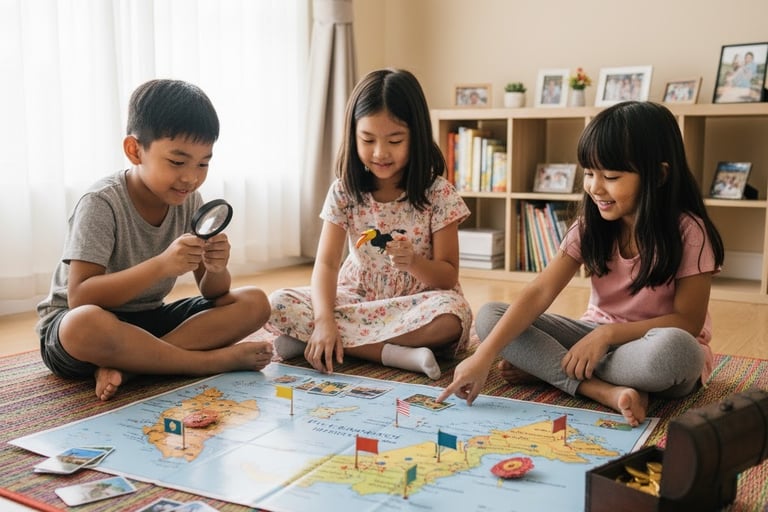
1. Turn Curiosity into a Game
Children’s brains are wired for exploration. According to a study by the University of California, Davis, curiosity activates the dopamine reward system, helping the brain retain information up to 70% better.
So, when learning becomes a game — like completing missions or solving mini challenges — your child’s brain links discovery with pleasure.
💡 Every mission sparks a “feel-good” feedback loop that strengthens the joy of learning.
2. Praise the Process, Not Just the Results
The “growth mindset” theory by Dr. Carol Dweck shows that children who are praised for effort (not intelligence) develop stronger neural pathways in the prefrontal cortex, responsible for perseverance and decision-making.
This teaches kids that their brain grows through practice — turning setbacks into fuel for progress.
💡 Effort-based praise builds emotional resilience and long-term learning motivation.
3. Introduce Real-World Learning
Neuroscientists call this contextual learning — the brain remembers information better when it’s connected to lived experiences.
When kids apply maths while baking or understand science through gardening, their hippocampus (the brain’s memory centre) creates stronger associations.
💡 When learning connects to real life, the brain’s retention doubles.
4. Set Small Daily Missions
The brain loves progress.
Completing small goals releases dopamine, which increases focus and motivation. According to a Stanford study, children who break tasks into small wins show a 30% increase in persistence.
💡 Mini missions train the brain to crave consistency — a foundation for discipline.
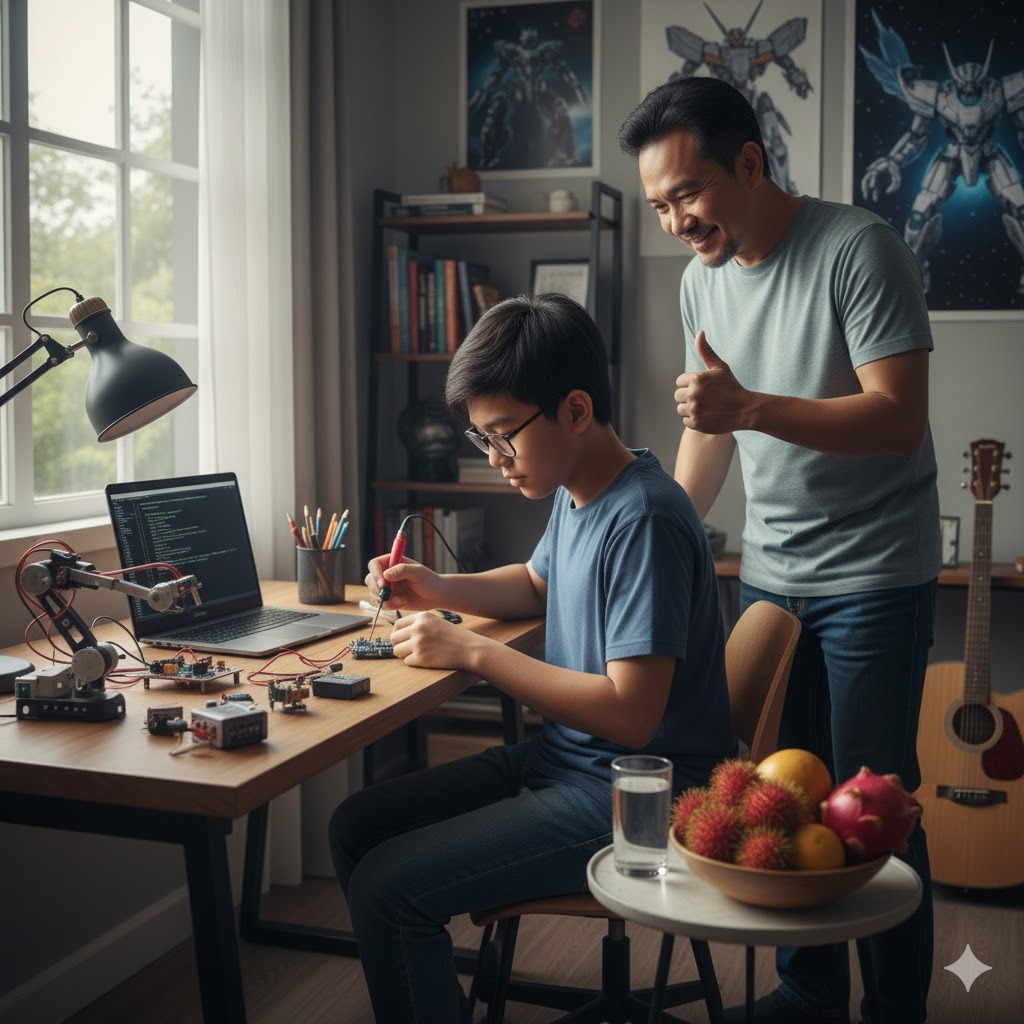
5. Learn Together
Joint learning builds trust and emotional safety — both essential for neural growth.
The Harvard Center on the Developing Child found that consistent, responsive interaction with parents boosts the development of the social brain network, helping children manage emotions and stay motivated.
💡 When parents learn alongside their children, the brain releases oxytocin — the “bonding hormone” — which deepens engagement.
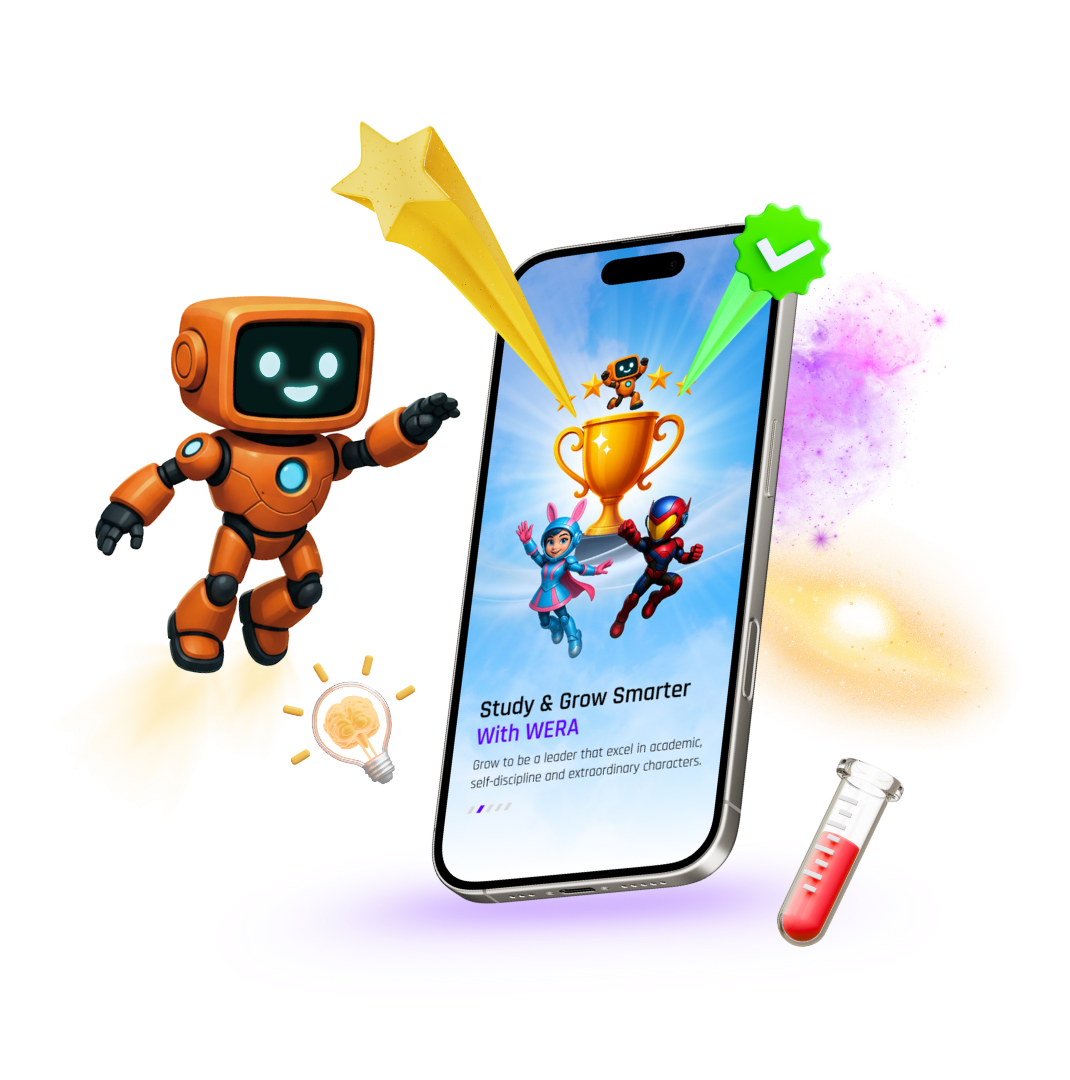
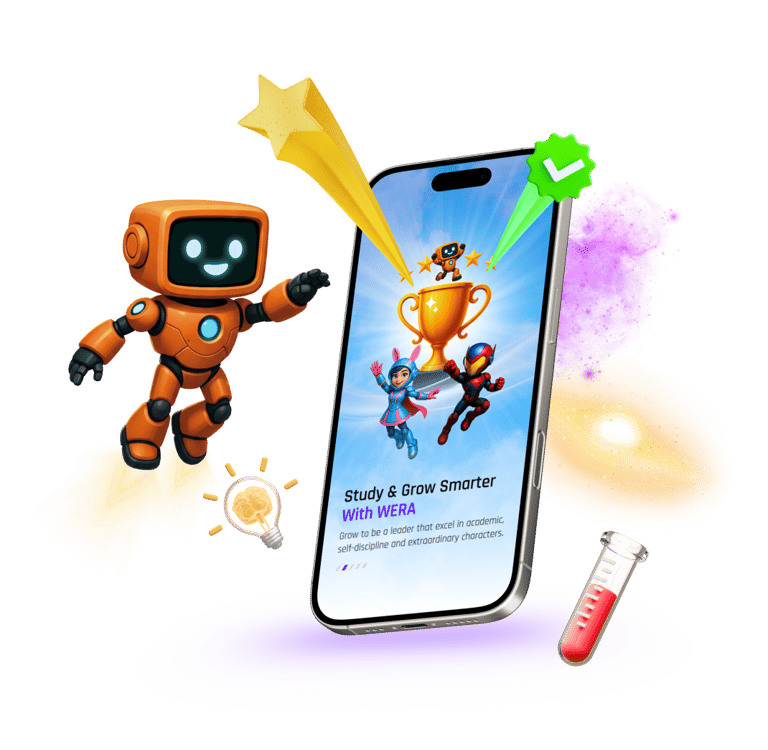
Reignite your child's learning spark with WERA
WERA transforms learning into family adventures backed by brain science.
Each mission strengthens curiosity, self-discipline, and leadership through six key learning pillars — from Self-Care to Entrepreneurship — nurturing the mind and heart.
Start your free 30-day trial today when you unlock our Pioneer Circle to make learning a mission your whole family loves!